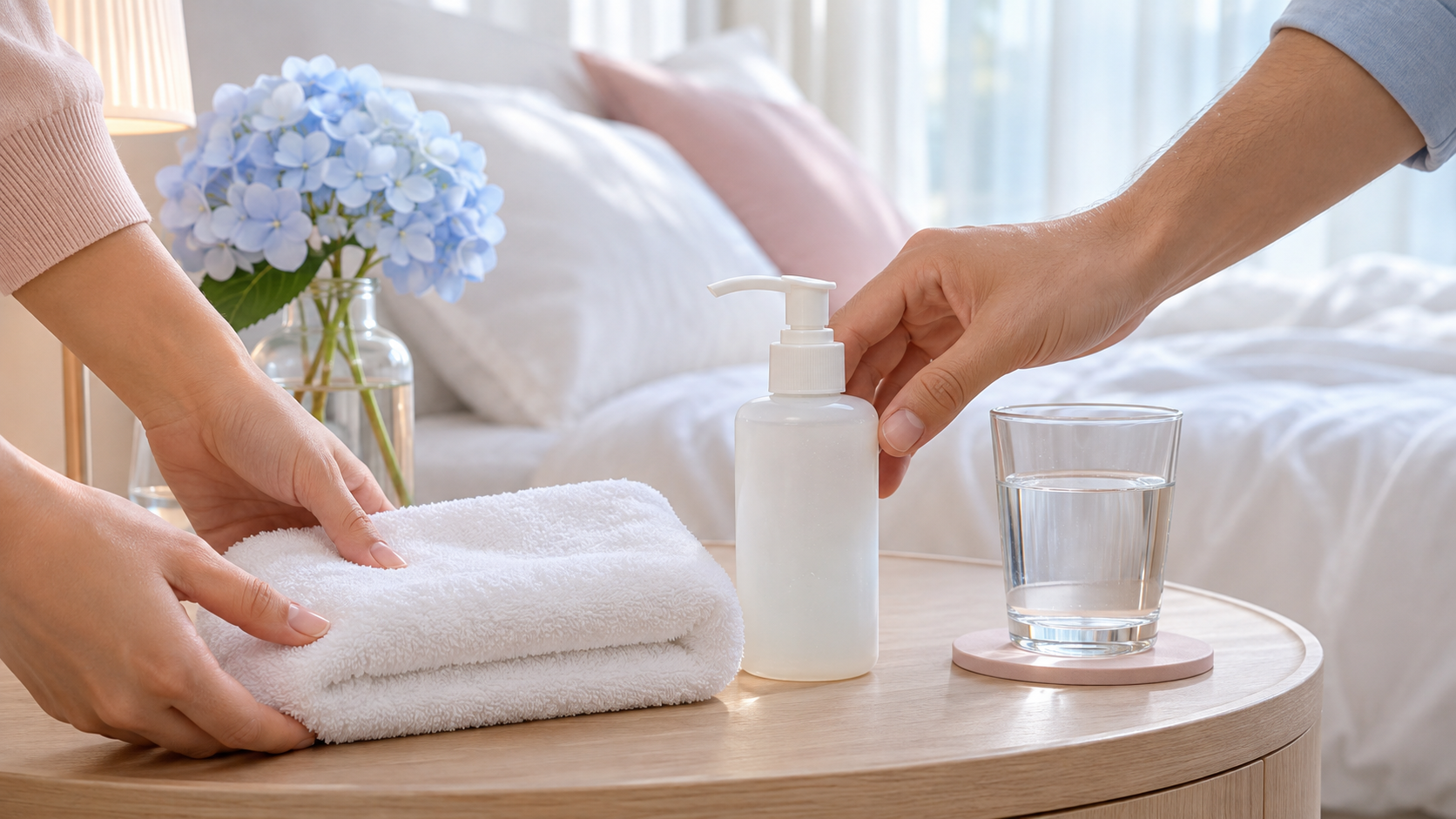
Why Sexual Hygiene Is Important
Sexual hygiene affects far more than freshness — it protects your health, prevents infection, and shapes comfort and confidence in every intimate moment. Here's why it deserves real attention.

Sexual hygiene rarely makes it into everyday conversation, yet it's one of the simplest habits with an outsized effect on health, comfort, and confidence. Whether you're single or in a relationship, understanding why it matters — and what good hygiene actually looks like — is worth a few minutes of your time.
It Protects Against Infection
The genital area naturally hosts a delicate balance of bacteria and pH. Poor hygiene, whether before or after intimacy, can disrupt that balance and create conditions for bacterial vaginosis, urinary tract infections, yeast infections, and other irritations. Simple habits — washing before and after intimate contact, urinating afterward, and keeping the area clean and dry — significantly lower these risks for both partners.
It Reduces Irritation and Discomfort
Friction, sweat, and residue from bodily fluids or products can all cause irritation if left unaddressed. This is also where product choice matters: harsh soaps, scented washes, and oil-based lubricants can all aggravate sensitive skin. A gentle, water-based lubricant reduces friction during intimacy and rinses away easily afterward, which is a meaningful part of staying comfortable and irritation-free.

It Protects Your Partner Too
Sexual hygiene isn't a solo responsibility — it directly affects your partner's health and comfort as well. Consistent hygiene habits on both sides lower the chance of transmitting bacteria or irritants, and they signal a basic level of care and respect within the relationship.
It Supports Confidence and Connection
Beyond the physical, hygiene has a psychological dimension. Worrying about odor, cleanliness, or discomfort during intimate moments gets in the way of actually being present with a partner. Good habits remove that background anxiety, which makes it easier to relax and connect.
Common Mistakes to Avoid
- Over-washing or using harsh soap — the genital area is self-cleaning to a large extent; strong, fragranced soaps can strip its natural protective barrier.
- Skipping hygiene after intimacy — a quick wash afterward matters just as much as before.
- Using oil-based or low-quality lubricants — these can trap bacteria, are harder to clean off, and may irritate sensitive skin.
- Ignoring ingredient lists — parabens and added fragrance in washes or lubricants are common irritants worth avoiding.
- Sharing towels or personal items — a small habit that's easy to overlook but can spread bacteria.
Building a Simple Routine
Good sexual hygiene doesn't need to be complicated. For a step-by-step, pH-balanced care routine, see our guide on Intimate Hygiene 101. Pair that daily routine with thoughtful product choices — like a paraben-free, water-based gel for intimate moments — and you cover both the everyday and the intimate side of hygiene.
When to See a Doctor
Good habits and the right products handle everyday hygiene, but they aren't a substitute for medical care. Persistent itching, unusual discharge or odor, or discomfort that doesn't improve on its own should always be checked by a doctor rather than self-treated.
Explore our full range of wellness essentials and personal lubricants — all water-based, paraben-free, and dermatologically tested for everyday intimate care.